The Highest-Paying Trade School Careers to Target in 2026
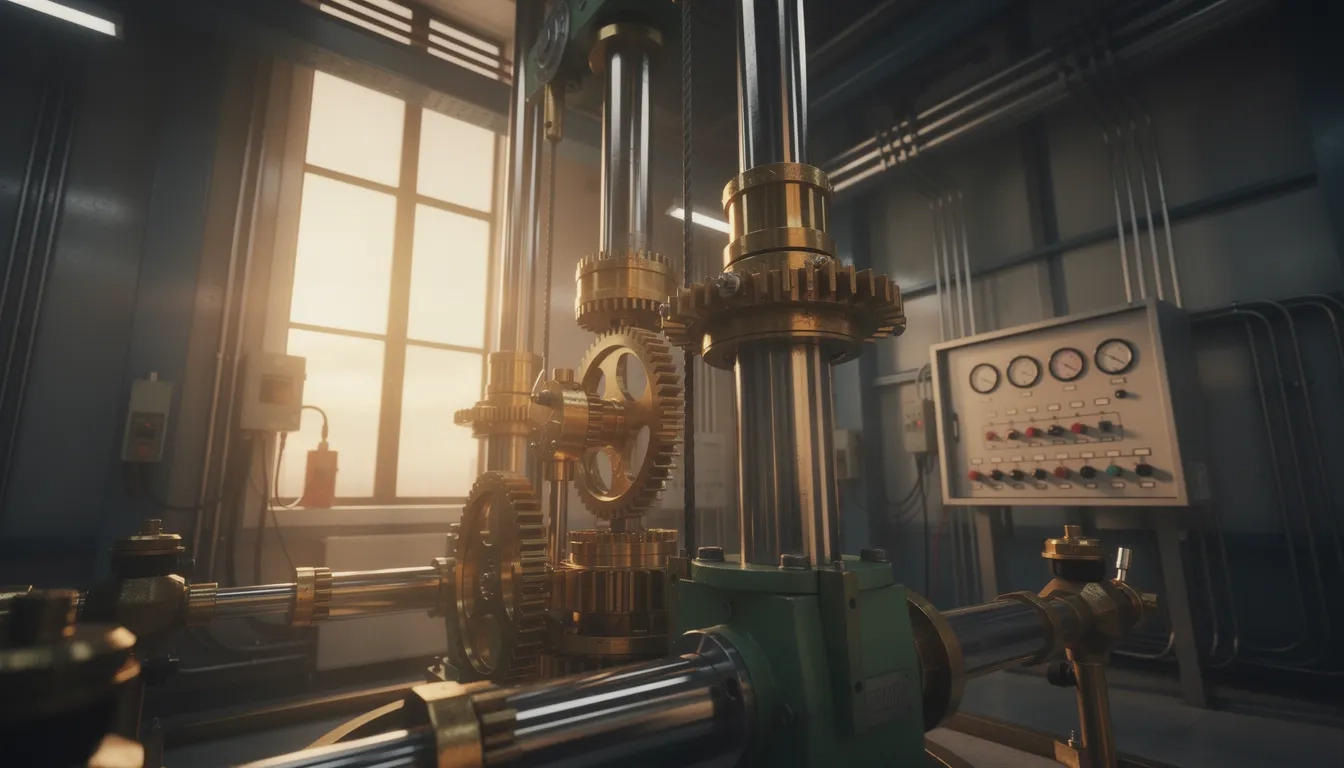
An elevator mechanic in Nevada can clear $151,500 a year without ever setting foot in a college classroom. Meanwhile, the median electrician pulls in $71,490. Somewhere between those two numbers is a trade school reality most career advice still hasn't caught up to: the ladder isn't flat, and picking the wrong rung costs you decades of earnings.
Trade school gets pitched as a single category, as if welding and dental hygiene sit on the same pay scale. They don't. The gap between the best-paid trades and the merely decent ones is now wider than the gap between many trades and a four-year degree. That's the story worth understanding before you sign up for anything.
The Real Numbers: What Trade School Careers Actually Pay in 2026
The Bureau of Labor Statistics released its May 2025 Occupational Employment and Wage Statistics data in mid-2026 (delayed by a federal shutdown, in case you were wondering why it felt late). It's the freshest ground truth we have, and it settles a few arguments.
Plumbers now out-earn electricians on both counts that matter, median hourly and mean annual pay, a flip that would've surprised most guidance counselors five years ago.
| Trade | Mean Annual Wage | Median Hourly | U.S. Employment |
|---|---|---|---|
| Elevator & Escalator Installers | $109,820 | $52.80 | 23,790 |
| Electrical Power-Line Installers | $91,970 | $44.22 | 131,070 |
| Plumbers & Pipefitters | $72,170 | $34.70 | 465,840 |
| Electricians | $71,490 | $34.37 | 757,220 |
| HVAC Mechanics | $68,120 | $32.75 | 541,070 |
| Carpenters | $65,630 | $31.55 | 670,090 |
| Welders | $56,760 | $27.29 | 416,210 |
Notice the pattern: the highest-paying trades are almost always the smallest ones. Elevator work employs roughly 24,000 people nationally, a rounding error next to the 757,220 electricians out there. Scarcity, not glamour, is what sets the ceiling.
Elevator Installers: The Trade Nobody Talks About at Career Day
If you asked ten high schoolers to name a trade job, none of them would say "elevator mechanic." That's precisely why it pays what it does.
The median is $106,580, but the structure behind that number is what makes it interesting. Entry to the field runs through the National Elevator Industry Educational Program (NEIEP), a four-to-five-year apprenticeship combining 600 hours of classroom instruction with 8,000 hours of paid on-the-job training. You start around half of full mechanic rate and climb from there.
Getting in isn't automatic. Candidates need a high school diploma, must be at least 17, and have to pass the Elevator Industry Aptitude Test with a 70% minimum score, followed by an interview with a Joint Apprenticeship Committee. Most mechanics end up in the International Union of Elevator Constructors, a union that's been negotiating wages since 1890.
- Nevada tops the state list at $151,500 average
- Hawaii follows at $132,150
- Massachusetts rounds out the top three at $126,830
BLS projects 5% job growth through 2034 with around 2,000 openings a year, driven by an aging workforce and steady demand from building modernization and ADA compliance retrofits. Supply is tight enough that some locals reportedly have waitlists years long just to start the apprenticeship.
An elevator mechanic with five years in earns more than double the median U.S. wage of $49,500, and the barrier to entry is a test score and a willingness to show up for eight thousand hours, not a diploma from anywhere in particular.
Electrician vs. Plumber: The Rivalry Nobody Saw Coming
For years, electrician was the default answer to "what trade pays best." The 2025 OEWS numbers complicate that.
Plumbers and pipefitters now average $72,170 against electricians' $71,490, a gap of about $680 that flips the conventional wisdom. Both fields require four-to-five-year apprenticeships, both have licensing exams, and both are seeing real wage growth tied to construction demand that hasn't slowed.
Here's the nuance that raw averages hide: electricians have a much bigger, more liquid job market (757,220 positions versus plumbing's 465,840), which means more openings, more geographic flexibility, and honestly, more competition holding wages down at the median. Plumbing's tighter labor pool cuts the other way.
A few things I'd weigh if I were choosing between them:
- Physical demands — plumbing involves more crawlspaces, tighter quarters, and exposure to sewage; electrical work carries higher acute injury risk (shock, arc flash) but often better working conditions day to day.
- Path to ownership — both trades convert cleanly into a small business once licensed, but plumbing tends to have lower startup capital requirements (a van and hand tools versus specialized diagnostic equipment).
- Geographic pay spread — electrician wages vary more by state because of union density differences; plumbing pay is comparatively flatter nationwide.
Neither choice is wrong. But if someone tells you electricians categorically out-earn plumbers, they're working from outdated numbers.
Beyond Construction: The Trades Hiding in Healthcare, Energy, and Aviation
"Trade school" conjures hard hats, but some of the best-paying vocational paths sit in healthcare and aviation, fields most people don't file under "trades" at all.
Dental hygienists posted a median around $98,990 in recent BLS data, earned through a two-year associate degree rather than a bachelor's, with no four years of general education requirements standing between you and the paycheck. Avionics technicians median near $81,390, maintaining and repairing aircraft electronics for airlines and defense contractors. Radiation therapists, who operate the machines that deliver cancer treatment, sit close to $88,000 with a two-year associate credential as the standard entry point.
Then there's the growth story: wind turbine service technicians. BLS ranks this occupation, tied with solar photovoltaic installers, as the single fastest-growing job category in the country, with employment projected to jump 49.9% between 2024 and 2034. That's roughly ten times the average growth rate for all U.S. occupations. Current pay sits lower than the trades above (in the low-to-mid $60,000s for median wage), but with only about 13,600 people currently in the role nationwide and 2,300 openings projected annually, the trajectory looks a lot like where electricians were two decades ago.
None of these require a four-year degree. All of them require training measured in months or a couple of years, not a half-decade.
Why This Is Happening Now
The shortage driving these wages isn't a temporary blip, it's demographic math. Roughly 4.1 million Americans turn 65 every year through the late 2020s, and a disproportionate share of them are the electricians, plumbers, and pipefitters who trained in the 1980s.
Fewer young workers entered the trades during the "everyone should go to college" push of the 2000s and 2010s. That created a supply gap right as retiring boomers are walking out the door, and it's a gap that four years of computer science enrollment growth did nothing to fill.
There's also an AI-resistance angle worth taking seriously, not as hype but as a structural fact. Complex, site-specific troubleshooting, crawling into a mechanical room to diagnose why one elevator in a bank of six is throwing an error code, involves physical dexterity and judgment that current automation can't replicate. Compare that to entry-level knowledge work, where large language models are already eating into the tasks junior analysts and paralegals used to do.
A few numbers that make the shortage concrete:
- Elevator mechanics: 23,790 employed nationally against 2,000 annual openings, a replacement rate that outpaces new apprentice enrollment in several regions
- Electricians: 757,220 employed, with BLS projecting tens of thousands of annual openings from growth and retirements combined
- Wind techs: employment near-tripling by 2034 from a base of just 13,600
Trade programs typically cost between $5,000 and $40,000, compared to $150,000-plus at many four-year private universities, and most trade apprentices earn wages from day one instead of paying tuition while sitting on the sidelines. The math on return isn't close.
How to Pick the Right Trade for You
Don't just chase the highest number on the table. Match the trade to your actual constraints.
| If you want... | Consider | Tradeoff |
|---|---|---|
| Highest ceiling, willing to wait years for an apprenticeship slot | Elevator installer | Long, competitive entry; limited openings |
| Fastest path to steady six figures with experience | Electrician or plumber | High competition; requires ongoing licensing |
| Healthcare stability without a bachelor's degree | Dental hygienist, radiation therapist | Requires an associate degree, not zero schooling |
| Ground-floor entry into a fast-growing field | Wind turbine technician | Lower starting pay; some travel to remote sites |
| Ownership and independence long-term | Plumbing or HVAC | Requires business skills beyond the trade itself |
A practical filter: if you're 18 and can tolerate a multi-year wait for the right apprenticeship, elevator work or line work pays off the most. If you need income sooner, electrician and plumbing apprenticeships hire faster and still pay well by year three. If physical strain worries you long-term, the healthcare-adjacent trades (dental hygiene, radiation therapy) offer trade-school-level entry costs with white-collar-adjacent working conditions.
The mistake I see most often: picking a trade based on a single salary headline instead of the local job market. A $109,820 national average for elevator mechanics means little if your metro area has zero NEIEP intake this year. Call the local union hall or JATC before you commit money or time.
Bottom Line
- Check the actual BLS OEWS table for your metro area, not just the national average, before choosing a trade. Local demand swings pay by 30% or more.
- Elevator work and line work top the pay charts, but both have narrow, competitive entry points, apply early and be ready for aptitude testing.
- Plumbing has quietly overtaken electrical work in average pay; don't assume the old hierarchy still holds.
- Healthcare and energy trades (dental hygiene, radiation therapy, wind turbine tech) are worth a serious look if you want lower physical strain or ground-floor growth.
- Run the cost math: a $15,000 apprenticeship that pays you from week one beats a $150,000 degree that doesn't, almost every time.
Frequently Asked Questions
Is trade school actually cheaper than a four-year degree in 2026?
Yes, by a wide margin. Most trade and apprenticeship programs run $5,000 to $40,000 total, and many apprenticeships pay wages during training. A four-year private university degree frequently exceeds $150,000 once room, board, and interest on loans are counted.
Do I need to join a union to earn top trade wages?
Not always, but it helps significantly in fields like elevator work and electrical line work, where union locals (like the IUEC) negotiate wage scales and benefits collectively. Non-union electricians and plumbers can still earn well, especially as independent contractors, but they usually reach top pay later.
Which trade has the best job security right now?
Elevator installation and electrical work both show strong security due to aging workforces and low new-entrant numbers. Wind turbine technician has the fastest projected growth rate of any U.S. occupation, though it's starting from a much smaller employment base.
Is it true that electricians always out-earn plumbers?
No, and this is a common myth. As of May 2025 BLS data, plumbers and pipefitters average $72,170 annually versus $71,490 for electricians. The gap is small, but it has flipped from the historical pattern.
How long does it take to become a well-paid tradesperson?
Most licensed trades (electrician, plumber, elevator mechanic) require four to five years of apprenticeship before you reach journeyman or mechanic status and full pay. Healthcare trades like dental hygiene take about two years through an associate degree program.
Are trades a good career choice if I'm worried about AI taking jobs?
Trades involving hands-on, site-specific physical work, plumbing, elevator repair, HVAC diagnostics, are much harder to automate than routine desk work. That doesn't make them immune to technology change, but the physical troubleshooting component gives them more staying power than many entry-level office jobs.
Sources
- BLS 2025 OEWS Release: Key Numbers for Every Major Trade
- Elevator Installer Salary, Union Pay & Career Guide 2026
- Employment of wind turbine service technicians expected to increase 49.9 percent by 2034
- 15 Skilled Trades With The Highest Pay And Growth Potential
- National employment and wage data from the Occupational Employment and Wage Statistics survey, May 2025